A Deep Dive into the Mechanics of Plate Edge Beveling Machines
Understanding Plate Beveling Machines
What Are Plate Beveling Machines?
Plate beveling machines are specialized tools designed to create angular edges on metal plates. This process, known as beveling, serves multiple purposes, especially in the metalworking industry. By producing precise beveled edges, these machines facilitate better weld preparation, enhance the fit of metal components, and improve the overall appearance of the finished product. Plate beveling machines come in various forms, each tailored to specific industrial needs, whether for heavy-duty use or high-speed applications. The efficiency these machines bring to tasks like welding and deburring significantly impacts productivity in manufacturing settings.
Key Components of Plate Beveling Machines
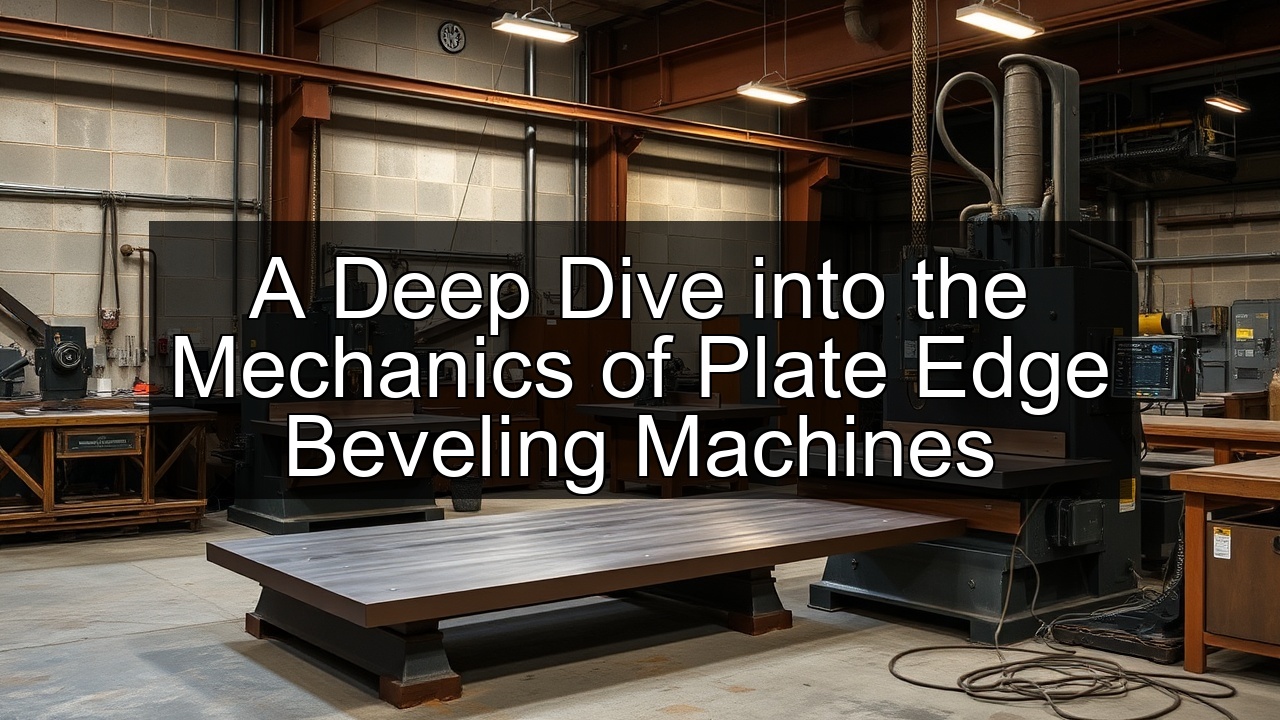
Understanding the key components of plate beveling machines provides insight into their functionality and efficiency. Most machines consist of several essential parts, including the beveling head, which houses the cutting tools responsible for shaping the plate edges. The motor drives the beveling head, often featuring adjustable speed settings to accommodate various materials industrial beveling machines and thicknesses. Additionally, a robust frame supports the entire structure, ensuring stability during operation. Other components like feed mechanisms and control panels enhance usability and precision, making it easier for operators to achieve the desired bevel angle consistently. These components work in harmony to deliver high-quality results on metal plates.
How Plate Beveling Machines Work in Metalworking
Plate beveling machines operate through a straightforward yet effective mechanism. Operators place a metal plate into the machine, aligning it with the beveling head. The machine then engages its cutting tools to create a specified bevel angle, typically ranging from 15 to 45 degrees, depending on the requirements of the project. The process can accommodate various thicknesses and types of metal, making these machines versatile tools in metalworking. The automation features in many modern bevelers allow for precision cuts with minimal manual intervention, enhancing productivity while reducing the risk of human error. This combination of efficiency and precision positions plate beveling machines as indispensable in today’s beveler machines manufacturing landscape.
Types of Plate Beveling Machines
Automatic Plate Bevelers: Efficiency and Precision
Automatic plate bevelers significantly enhance efficiency in metalworking environments. These machines utilize advanced automation technology to streamline the beveling process, allowing for consistent results without the need for constant operator input. Equipped with programmable controls, automatic plate bevelers can adjust cutting speeds, bevel angles, and even the feed rate based on the specific requirements of each job. This level of precision not only minimizes material waste but also ensures that welds are prepared with the highest standards, leading to better structural integrity in finished products. Industries that rely on mass production benefit greatly from the speed and reliability of automatic plate bevelers, making them a popular choice among manufacturers.
Heavy Duty Beveling Machines for Industrial Use
Heavy-duty beveling machines cater specifically to the demands of industrial applications. Designed to handle thicker materials and more substantial workloads, these machines often feature robust construction and powerful motors that can tackle tough metal types, including steel and aluminum. The durability of heavy-duty bevelers makes them suitable for environments where consistent, high-volume production is essential. Features such as adjustable speed settings and multiple blade configurations allow for versatility, enabling operators to switch between different bevel types and angles quickly. This adaptability ensures that manufacturers can meet diverse project requirements without the need for multiple machines, optimizing both space and resources in their operations.
High-Speed Plate Beveling Machines: Features and Benefits
High-speed plate beveling machines are engineered for maximum throughput and efficiency. These machines employ advanced cutting technologies that allow for rapid bevel creation without compromising on quality. The primary advantage of high-speed bevelers lies in their ability to significantly reduce cycle times, making them invaluable for industries that prioritize fast production rates. Features such as high-performance motors and precision cutting tools enable these machines to handle various metal types and thicknesses effectively. Additionally, the incorporation of automation reduces the likelihood of human error, ensuring consistent and high-quality bevels across all produced pieces. As demand for timely delivery increases in manufacturing, high-speed plate beveling machines become a crucial asset for any operation aiming to stay competitive.
Applications and Benefits of Plate Beveling Machines
The Role of Beveling in Weld Preparation
Beveling plays a critical role in preparing metal plates for welding. Properly beveled edges enhance the surface area of the weld joint, promoting better penetration and stronger welds. This preparation minimizes the risk of defects and weaknesses in the final product, which is essential in industries like construction, shipbuilding, and automotive manufacturing. Plate beveling machines ensure that these bevels are consistent and precise, which contributes significantly to the efficiency and quality of welding processes. Moreover, beveled edges facilitate easier alignment of metal components, streamlining the assembly process and reducing the time and effort required for fitting parts together.
Deburring and Finishing with Plate Bevelers
Deburring is another essential application of plate beveling machines. During the cutting process, sharp edges and burrs often form, which can pose safety hazards and affect the quality of the final product. Plate bevelers effectively remove these imperfections, providing smoother edges that are safer to handle and easier to work with. In addition to deburring, these machines contribute to the finishing process by enhancing the aesthetic appeal of metal parts. A well-finished edge not only improves the visual quality of the product but also prepares it for subsequent processes, such as painting or coating, ensuring that the final finish adheres properly. The multifunctionality of plate beveling machines makes them valuable tools in achieving high-quality metal components.
Automation in Plate Beveling: The Future of Machine Tools
The integration of automation into plate beveling machines marks a significant advancement in the machine tool industry. Automation streamlines operations, reduces labor costs, and minimizes human error, enhancing overall productivity. Automated systems can adjust parameters on-the-fly, allowing for quick changes in bevel specifications without requiring extensive manual intervention. This flexibility caters to the dynamic needs of modern manufacturing, where production runs can vary in size and complexity. As automation technology continues to evolve, plate beveling machines are likely to incorporate even more intelligent features, such as predictive maintenance and real-time monitoring, further boosting their efficiency and reliability in industrial applications.
Choosing the Right Plate Beveling Machine
Factors to Consider: Brand, SKU, and Specifications
Selecting the right plate beveling machine involves evaluating several critical factors, including brand reputation, SKU options, and technical specifications. Established brands like Gullco International are known for their high-quality machine tools and reliable performance, making them a preferred choice for many manufacturers. Additionally, reviewing the SKU of various machines can provide insights into their features and capabilities. Specifications such as cutting speed, maximum thickness, and bevel angle range are vital in determining whether a machine meets specific production needs. By carefully considering these factors, businesses can invest in beveling machines that enhance their operational efficiency and output quality.
Comparing Gullco International and Other Leading Brands
When comparing Gullco International to other leading brands in the plate beveling machine market, several aspects come into play. Gullco International offers a range of machines renowned for their precision and durability, particularly in heavy-duty applications. Competitors may provide similar features, but differences in customer service, warranty, and support can influence purchasing decisions. Evaluating user reviews and industry feedback also helps in understanding the performance and reliability of different brands. Ultimately, choosing a reputable brand ensures that businesses invest in machines that deliver consistent results and stand the test of time in demanding environments.
Maintenance Tips for Longevity of Beveling Machines
Proper maintenance is crucial for extending the lifespan and performance of plate beveling machines. Regularly checking and replacing cutting tools ensures that machines operate at optimal efficiency and produce high-quality bevels. Additionally, lubricating moving parts reduces friction and wear, preventing premature breakdowns. Operators should also keep the machine clean and free from metal shavings and debris, which can interfere with performance and accuracy. Following the manufacturer’s maintenance guidelines and scheduling routine inspections can identify potential issues before they escalate. By prioritizing maintenance, businesses can maximize their investment in plate beveling machines and maintain productivity over the long term.