Enhancing Indoor Air Quality with Advanced Industrial Dehumidification Solutions
Understanding the Importance of Indoor Air Quality
The Impact of Humidity on Indoor Environments
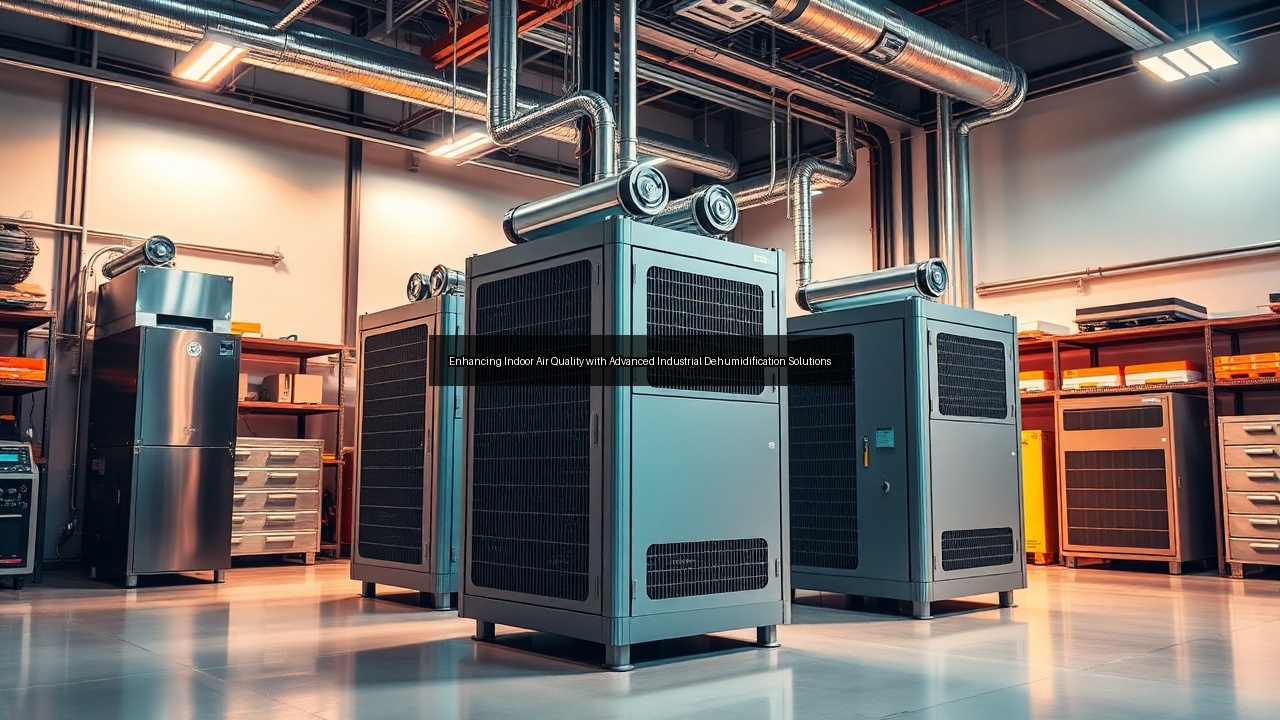
Excess humidity disrupts industrial operations by promoting corrosion, mold growth, and material degradation across warehouses and production floors. Industrial dehumidifiers target air moisture directly to stabilize conditions and maintain consistent dew points. Facilities that install an industrial dehumidifier report fewer equipment failures and longer product shelf life because controlled moisture prevents condensation on machinery and stored goods. Proper dehumidification also improves worker comfort, allowing teams to focus on tasks without battling sticky air or respiratory strain from damp environments. In high-volume manufacturing settings, uncontrolled moisture can accelerate rust on metal components and warp composite materials, leading to unplanned shutdowns that cost thousands per hour. By maintaining relative humidity between 40% and 55%, operators observe measurable reductions in maintenance calls and extended intervals between equipment calibrations.
Health Risks Associated with Poor Air Quality
High humidity fosters allergens, bacteria, and mold that trigger asthma, allergies, and long-term respiratory issues in workers. An industrial dehumidifier reduces these risks by extracting excess air moisture before it circulates through shared spaces. Pharmaceutical plants and food processing areas especially benefit because lowered dew points limit microbial growth on surfaces and in the air. Regular use of industrial dehumidifiers for industrial locations cuts absenteeism and supports compliance with health regulations without relying solely on ventilation upgrades. Prolonged exposure to damp conditions has been linked to increased incidence of occupational asthma and hypersensitivity pneumonitis, conditions that can result in permanent lung damage if humidity remains unchecked. Modern dehumidification systems equipped with antimicrobial coatings on coils further inhibit bacterial colonization, providing an additional layer of protection beyond moisture removal alone.
The Role of Dehumidification in Climate Control
Dehumidification forms the backbone of reliable climate control in large facilities where temperature alone cannot manage moisture loads. An industrial dehumidifier works alongside HVAC systems to balance humidity levels and protect sensitive processes. By maintaining precise dew points, these units prevent warping in wood products, clumping in powders, and static buildup in electronics assembly. Operators gain tighter process control and energy savings when dehumidifiers handle latent loads that HVAC units would otherwise struggle to address alone. In facilities spanning tens of thousands of square feet, moisture infiltration through loading docks and HVAC intake can exceed several hundred pounds of water vapor per hour; dedicated dehumidifiers isolate and neutralize this load before it affects production zones, delivering stable conditions that support both product integrity and regulatory documentation requirements.
Types of Advanced Industrial Dehumidifiers
Desiccant Dehumidifiers vs. Refrigerant Dehumidifiers
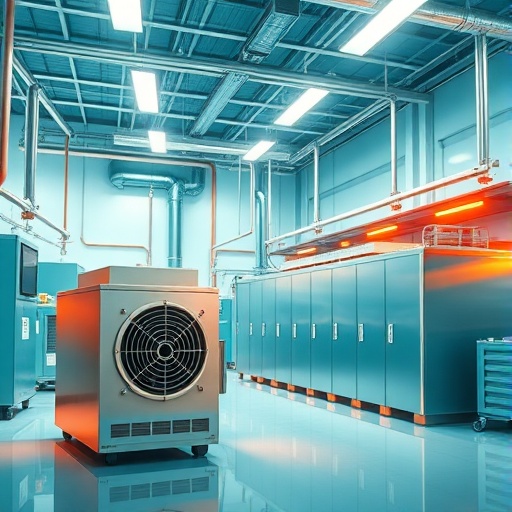
Desiccant models use moisture-absorbing materials to achieve very low dew points even in cold conditions, making them ideal for dehumidify tasks in refrigerated warehouses or chemical plants. Refrigerant dehumidifiers rely on cooling coils to condense water vapor and suit warmer industrial dehumidifier applications where energy efficiency matters most. Facilities compare both technologies based on incoming air temperature, target humidity, and runtime demands before selecting a unit. Many sites combine the two approaches for year-round performance across shifting seasons. Desiccant wheels, often impregnated with lithium chloride or silica gel, can reach dew points as low as -40°F, while refrigerant systems excel in environments above 65°F where they achieve coefficients of performance exceeding 3.0. Hybrid installations allow operators to switch modes seasonally, optimizing both capital and operating costs.
Choosing the Right Industrial Dehumidifier for Your Needs
Selection starts with calculating required CFM and moisture removal capacity based on room volume and infiltration rates. An industrial dehumidifier sized correctly prevents short cycling and wasted energy while delivering steady results. Buyers evaluate blower strength, drainage options, and control interfaces to match production schedules. Reviewing dehumidifiers for industrial locations also means checking corrosion-resistant construction for harsh environments like food packaging lines or pharmaceutical cleanrooms. Advanced sizing software now incorporates real-time weather data and process heat loads to generate precise capacity curves, helping engineers avoid the common pitfalls of oversizing that can lead to humidity swings and excessive energy use during low-load periods.
Key Features of Industrial-Grade Dehumidifiers
Robust industrial-grade dehumidifiers include heavy-duty blowers, variable-speed fans, and digital controls that maintain setpoints within tight tolerances. Features such as auto-restart after power loss and remote monitoring help facilities run continuously without constant oversight. High-capacity coils and corrosion-proof cabinets extend service life in dusty or chemical-laden air. Operators also look for easy filter access and integrated condensate pumps that simplify maintenance on large dehumidification systems. Many units now incorporate BACnet or Modbus communication protocols, enabling seamless integration with building management systems for trend logging, alarm notifications, and automated setpoint adjustments based on occupancy or production shifts.
Applications of Industrial Dehumidifiers
Dehumidification in the Pharmaceutical Industry
The pharmaceutical industry depends on precise humidity control to protect active ingredients and finished tablets from degradation. An industrial dehumidifier maintains low dew points during blending, coating, and packaging to prevent clumping or chemical reactions. Cleanroom environments gain extra protection when dehumidifiers integrate with HVAC filtration to reduce airborne contaminants. Consistent dehumidification also supports regulatory validation by documenting stable conditions throughout every production batch. In tablet compression areas, humidity fluctuations above 35% RH can cause capping and lamination defects, while coating processes often require dew points below 0°F to ensure uniform film application and prevent solvent retention issues that could compromise product stability.
Enhancing Food Packaging Processes
Food packaging lines suffer when excess air moisture causes condensation on films and seals, leading to spoilage or rejected batches. Industrial dehumidifiers dry the air around filling and sealing stations to keep packaging materials crisp and bonds secure. Lower humidity also slows bacterial growth on exposed product surfaces, extending shelf life before products reach distribution. Plants that add targeted dehumidification often reduce waste and improve throughput during humid summer months. In snack food and confectionery facilities, maintaining 20–25% RH around sealing equipment has been shown to increase line speeds by up to 15% while cutting packaging defect rates by more than half.
Protecting Electronics from Moisture Damage
Electronics manufacturing requires extremely low moisture levels to avoid corrosion on circuit boards and component failures during assembly. An industrial dehumidifier keeps dew points below critical thresholds so solder joints and sensitive chips remain dry. Static control improves as well when relative humidity stays within safe ranges. Facilities that deploy industrial dehumidifiers report fewer defects and longer equipment calibration intervals in clean production zones. Reflow ovens and wave soldering stations benefit particularly from pre-conditioned air at 5–10% RH, which minimizes bridging defects and extends the service life of flux residues on finished assemblies.
Optimizing Dehumidification Systems for Efficiency
Understanding Airflow and CFM in Dehumidification
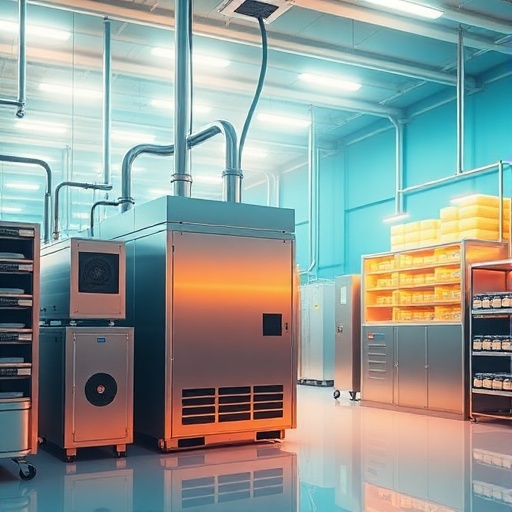
Effective dehumidification depends on proper airflow measured in CFM to move moist air across coils or desiccant wheels at the right velocity. Undersized blowers leave pockets of humid air untouched while oversized units waste energy. Technicians calculate total CFM needs based on room dimensions and moisture load before installing an industrial dehumidifier. Balanced duct design ensures even distribution so every corner of the facility receives consistent treatment. Computational fluid dynamics modeling is increasingly used during system design to identify dead zones and optimize diffuser placement for uniform humidity distribution throughout the space.
Troubleshooting Common Dehumidifier Issues
Common problems include frozen coils, inadequate drainage, and sensor drift that cause the unit to run inefficiently. Troubleshooting begins with checking blower operation, filter cleanliness, and condensate lines for blockages. Technicians also verify refrigerant levels or desiccant condition depending on the model. Prompt attention to these issues keeps an industrial dehumidifier performing at peak capacity and prevents costly downtime in critical production areas. Predictive maintenance programs utilizing vibration sensors and moisture-load trending can identify impending failures weeks in advance, allowing scheduled interventions during planned shutdown windows.
Integrating Dehumidifiers with HVAC Systems
Integration allows an industrial dehumidifier to handle latent loads while the HVAC system manages sensible temperature, improving overall efficiency. Coordinated controls prevent the two systems from working against each other and reduce compressor runtime. Facilities often place dehumidifiers upstream of air handlers so pre-dried air enters the main climate control loop. This setup lowers total energy use and provides tighter humidity control across the entire building envelope. Demand-controlled ventilation strategies further enhance performance by modulating outdoor air intake based on real-time dew-point measurements rather than fixed schedules.
Future Trends in Industrial Dehumidification
Innovations in Dehumidifier Technology
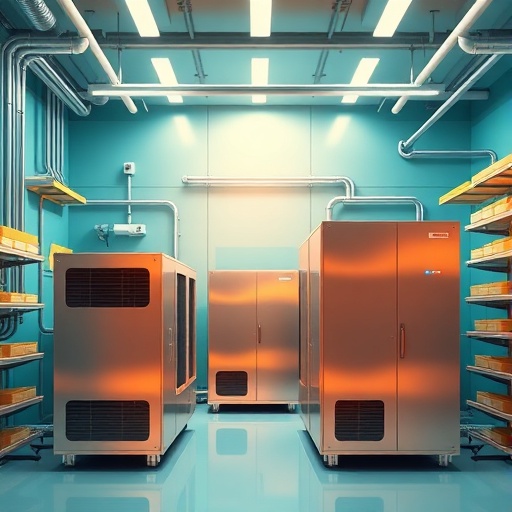
New compressor designs, advanced desiccant materials, and smart sensors now allow industrial dehumidifiers to adjust capacity automatically based on real-time moisture readings. Variable-speed blowers and Internet-connected controls give operators remote oversight and predictive maintenance alerts. These innovations cut energy consumption while delivering faster response to changing conditions in demanding industrial dehumidifier applications. Emerging solid-state dehumidification technologies using thermoelectric modules are also entering pilot installations, promising silent operation and precise zonal control without traditional refrigerants.
Sustainability and Energy Efficiency in Dehumidification
Manufacturers focus on heat-recovery systems and low-global-warming refrigerants to reduce the environmental footprint of large-scale dehumidification. Energy-efficient models recover waste heat for space heating or process use, lowering overall utility costs. Facilities that upgrade to modern industrial dehumidifiers often qualify for rebates while meeting corporate sustainability targets without sacrificing performance. Lifecycle assessments now guide purchasing decisions, with many operators prioritizing units that achieve payback periods under three years through combined energy and maintenance savings.
The Future of Climate Control Solutions
Integrated climate control platforms will combine dehumidifiers, HVAC, and building automation into unified systems that optimize every parameter for comfort, product quality, and energy use. Advances in machine learning will forecast moisture loads and adjust settings proactively. Industrial dehumidifiers will play an even larger role in resilient facilities that must maintain strict conditions despite rising outdoor humidity and extreme weather events. These platforms will increasingly incorporate carbon-footprint tracking and grid-responsive operation to align industrial processes with broader decarbonization goals.
See Also
- Exploring the Benefits of Desiccant Dehumidifiers in Industrial Settings
- Troubleshooting Common Issues with Industrial Dehumidifiers
- Innovative Features to Look for in Modern Industrial Dehumidifiers
- Understanding Dew Points and Their Impact on Dehumidification Processes
- How HVAC Systems Work with Industrial Dehumidifiers for Optimal Air Quality