How SAE J1939 Protocol Benefits Proportional Valve Driver Communication
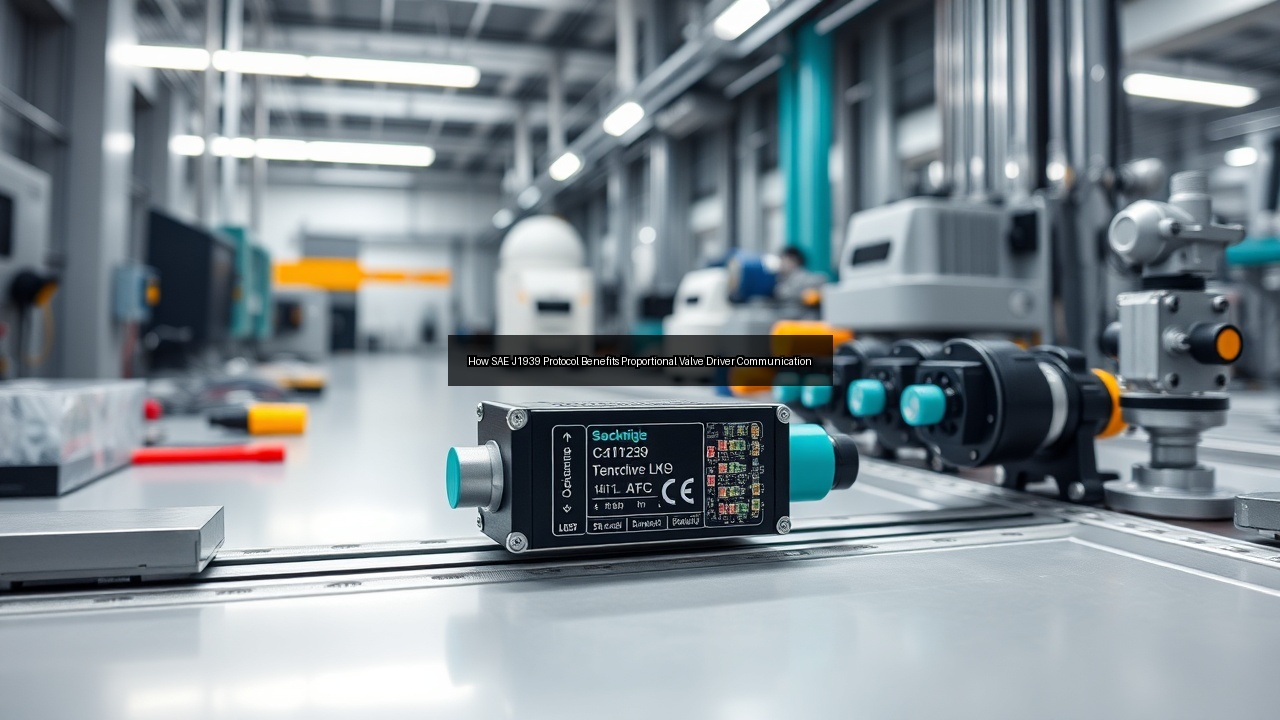
Understanding SAE J1939 Protocol and Its Role in Proportional Valve Driver Communication
Overview of SAE J1939 Protocol
The SAE J1939 protocol serves as a cornerstone for communication within heavy-duty vehicles and machinery, facilitating data exchange between various electronic components. This protocol, developed by the Society of Automotive Engineers, operates on the CAN (Controller Area Network) bus, ensuring efficient and reliable communication among devices. In the context of proportional valve drivers, SAE J1939 provides a standardized method for transmitting control signals, system status, and diagnostic information. Through this protocol, different manufacturers can create compatible proportional valve electronics, promoting interoperability and reducing integration complexities. The structured data format and robust error-checking mechanisms embedded in SAE J1939 enhance the reliability and efficiency of communication, which is vital for the optimal performance of hydraulic systems.
Importance of Communication in Proportional Valve Drivers
Effective communication is crucial in proportional valve driver systems, as it directly influences the accuracy and responsiveness of valve operations. Proportional valve drivers modulate the flow or pressure of hydraulic fluid, and any delay or inaccuracies in communication can lead to performance issues, system inefficiencies, or even failures. By leveraging the SAE J1939 protocol, these drivers can exchange critical information, such as setpoint adjustments or error reports, in real time. This responsiveness allows for precise control over actuators and machinery, enhancing productivity and safety. Moreover, the protocol's ability to support multiple devices on a single network minimizes wiring complexity, streamlining installations and reducing costs for manufacturers and end-users alike.
Key Components in the Communication Chain
The communication chain for proportional valve drivers encompasses several key components that work together to ensure seamless data exchange. At the heart of this chain lies the controller, which interprets input signals from various sources, such as potentiometers or digital displays. The controller communicates with the proportional valve driver via the SAE J1939 protocol, translating commands into actionable signals that regulate the valve operation. Additional components, such as PCBs, amplifiers, and H-bridges, play crucial roles in signal processing, power management, and ensuring the correct voltage levels reach the valve coils. Together, these elements create a robust communication network that enhances the performance of hydraulic systems, particularly in demanding applications found in North America’s industrial machinery.
Integration of Proportional Valve Drivers with SAE J1939
Connecting Proportional Valve Drivers to Din Rail Systems
Integrating proportional valve drivers into DIN rail systems streamlines the installation process and enhances system organization. DIN rail mounts provide a standardized method for housing electronic components, making it easier to install and replace drivers in industrial settings. When incorporating SAE J1939 communication, these drivers can connect to a central controller or a network of devices, facilitating real-time data exchange. The compact design of DIN rail systems also allows for better space management, particularly in control panels where multiple drivers and interfaces coexist. This integration not only simplifies wiring but also promotes better thermal management, as the arrangement improves airflow around the components, ultimately boosting the longevity and reliability of the valve systems.
Using USB Interfaces for Configuration and Monitoring
USB interfaces play a vital role in the configuration and monitoring of proportional valve drivers. These interfaces allow technicians to connect laptops or other devices directly to the valve controller, providing a user-friendly way to adjust settings and monitor performance metrics. Through software applications, users can visualize data, modify parameters, and troubleshoot issues in real time. This capability significantly enhances workflow efficiency and reduces downtime, as technicians can quickly identify and rectify problems. Moreover, USB interfaces facilitate updates to firmware, ensuring that the drivers remain compatible with evolving SAE J1939 standards. This adaptability is essential for maintaining optimal performance in hydraulic systems and ensuring compliance with industry regulations.
The Role of PCB in Signal Processing
Printed Circuit Boards (PCBs) are integral to the functionality of proportional valve drivers, particularly in signal processing and power distribution. The PCB houses various components, including amplifiers, resistors, and connectors, that work together to ensure accurate signal transmission. Within this context, the PCB translates digital commands from the controller into analog signals that regulate the coil's operation within the valve. This conversion is critical, as it allows for precise control over fluid flow and pressure, ensuring that hydraulic systems operate within specified parameters. Additionally, well-designed PCBs minimize electromagnetic interference, enhancing communication reliability within the SAE J1939 framework. By ensuring robust signal integrity, PCBs contribute significantly to the overall performance and efficiency of proportional valve electronics.
Technological Advancements in Proportional Valve Electronics
Implementing Near Field Communication (NFC) in Valve Systems
Near Field Communication (NFC) technology is making waves in the realm of proportional valve electronics, allowing for wireless communication between devices. This innovation simplifies the configuration process, enabling users to set parameters and monitor performance without direct physical connections. NFC facilitates quick data exchange, enhancing user experience and operational efficiency. In the context of hydraulic systems, integrating NFC can lead to faster troubleshooting and maintenance checks, as technicians can easily access system diagnostics via smartphones or tablets. This shift towards wireless communication aligns with broader trends in automation and IoT, paving the way for smarter and more connected hydraulic systems that optimize performance and reduce operational costs.
Digital Displays and User Interaction
Digital displays enhance user interaction with proportional valve drivers, providing real-time feedback and system status updates. These displays can show critical information such as pressure levels, flow rates, and error messages, enabling operators to make informed decisions quickly. User-friendly interfaces allow for straightforward navigation and parameter adjustments, reducing the likelihood of human error. Furthermore, advanced displays can include graphical representations of data trends, helping technicians identify patterns or anomalies in system performance. The integration of digital displays not only improves operational efficiency but also enhances safety by providing immediate access to vital information, thereby empowering users to optimize hydraulic systems effectively.
The Impact of H-Bridge and Amplifiers on Performance
H-bridges and amplifiers play crucial roles in the performance of proportional valve drivers, particularly in controlling the voltage and current supplied to the valve coils. H-bridges enable bidirectional control of the valve, allowing for precise modulation of fluid flow in both directions. This capability is essential in applications requiring rapid response and fine-tuned adjustments. Amplifiers enhance the signal strength, ensuring that the commands from the controller effectively translate to the mechanical movements of the valve. Together, these components optimize the responsiveness and efficiency of hydraulic systems, contributing to improved overall performance and reliability. As technology advances, innovations in H-bridge designs and amplifier configurations will continue to enhance the capabilities of proportional valve electronics.
Frequently Asked Questions about Proportional Valve Drivers
How Do Proportional Control Valve Drivers Work?
Proportional control valve drivers work by adjusting the flow or pressure of hydraulic fluid in response to input signals. These drivers interpret commands from controllers using protocols like SAE J1939, converting digital inputs into analog signals that regulate the valve's operation. By varying the voltage supplied to the valve coils, the driver can precisely control how much fluid passes through the valve, allowing for smooth and accurate adjustments in hydraulic systems. This dynamic control is essential for applications requiring fine-tuned performance, such as in construction equipment or industrial machinery.
What are the Benefits of Using Solenoids in Hydraulic Systems?
Solenoids offer several advantages in hydraulic systems, primarily due to their ability to provide reliable and efficient actuation. When integrated with proportional valve drivers, solenoids enable quick response times and precise control over fluid flow. Their simple design enhances durability, making them suitable for demanding environments. Furthermore, solenoids consume less power compared to other actuation methods, contributing to energy efficiency in hydraulic systems. The combination of solenoids and proportional control allows for enhanced performance, reduced operational costs, and improved overall system reliability.
Comparing Different Manufacturers: Axiomatic vs Atos
When evaluating proportional valve drivers, comparing manufacturers like Axiomatic and Atos reveals distinct strengths. Axiomatic focuses on providing flexible and scalable solutions, often integrating advanced features such as programmable logic and extensive diagnostic capabilities. Their systems are widely recognized for compatibility with SAE J1939, promoting seamless integration within existing networks. On the other hand, Atos emphasizes ruggedness and reliability, catering to heavy-duty applications that demand consistent performance under harsh conditions. Both manufacturers offer innovative solutions, but the choice between them often depends on specific application requirements, budget considerations, and desired features. Understanding these differences allows users to select the best proportional valve driver for their hydraulic systems.
See Also
- Atos Proportional Valve Drivers and Their Industry Applications
- Integrating Pulsar Technology with Proportional Valve Drivers for Advanced Control
- Exploring Solenoid Options in Proportional Valve Driver Integration
- Potentiometers and Their Impact on Proportional Valve Driver Functionality
- Enhancing Performance with USB Interfaces for Proportional Valve Drivers