Innovative Track Welding Machines Transforming the Industry
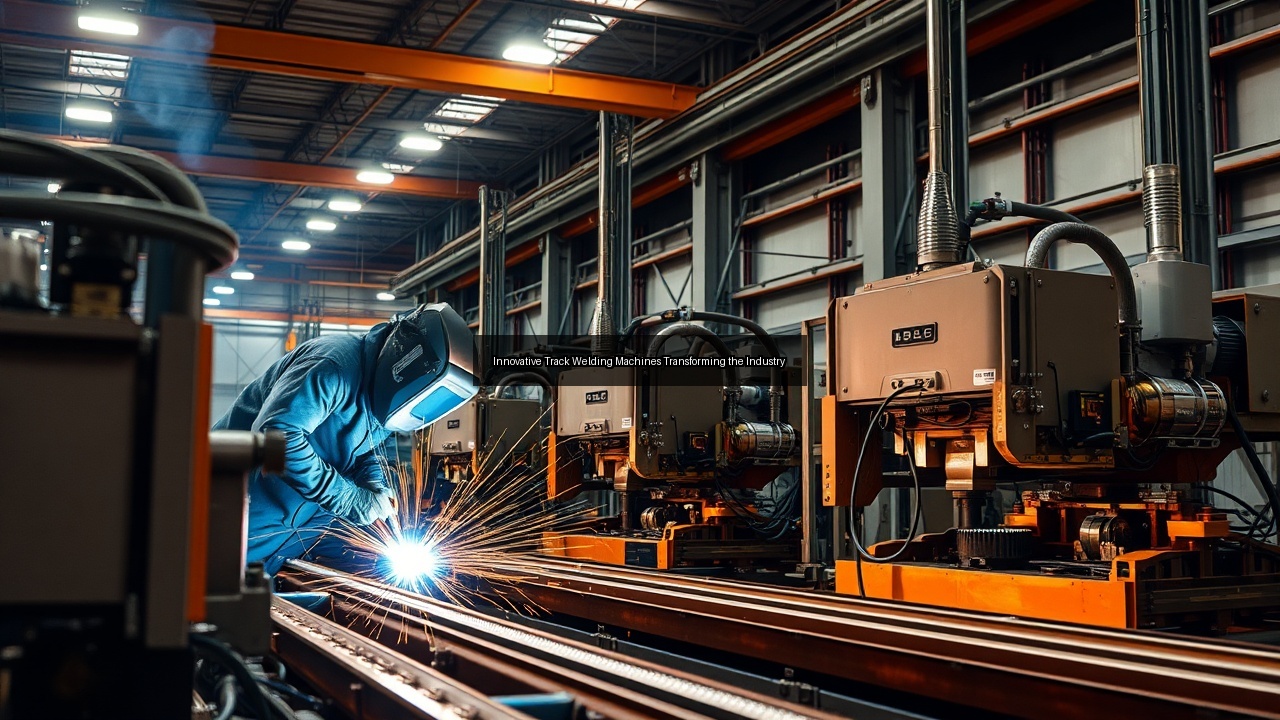
The Evolution of Track Welding Machines
Historical Perspective on Track Welding
Track welding has roots stretching back to the early industrial era when metalworking laid the foundation for modern construction and manufacturing. Initially, welders relied on manual techniques and basic equipment, which limited efficiency and precision. As industries grew, so did the need for more reliable and effective welding solutions. The introduction of track welding machines revolutionized this field by ensuring consistent weld quality across long seams. These machines allowed for automated processes that not only enhanced productivity but also improved safety by reducing the risks associated with manual welding. Over the decades, track welding evolved from rudimentary tools to sophisticated machines that integrate advanced technologies, making them essential in industries like rail, shipbuilding, and heavy machinery manufacturing.
Advancements in Welding Technology
Technological advancements have significantly transformed track welding machines, paving the way for enhanced performance and precision. Innovations such as digital controls, improved oscillation mechanisms, and the integration of advanced sensors have elevated the capabilities of modern welders. These features allow for real-time monitoring and adjustments during the welding process, ensuring optimal conditions for every weld. Furthermore, the shift towards automated systems has decreased human error, leading to more consistent results. Today’s welding machines utilize cutting-edge technology to offer seamless operation and adaptability, catering to various welding requirements and settings. The result is a marked improvement in the quality of welds and overall operational efficiency.
The Role of Gullco International in Innovation
Gullco International stands out as a pioneer in the development of innovative track welding machines. With decades of experience, Gullco has consistently pushed the boundaries of welding technology, introducing machines that set new industry standards. Their focus on research and development has led to the creation of advanced track welders that incorporate features such as programmable oscillation and high-performance electrodes. These innovations not only enhance welding quality but also optimize workflow, making Gullco a trusted name among manufacturers and contractors worldwide. Their commitment to excellence has solidified their reputation as leaders in the welding equipment market, driving continuous improvements and helping clients achieve superior results in their projects.
Key Features of Modern Track Welders
Oscillation and its Impact on Weld Quality
Modern track welders often feature advanced oscillation capabilities that significantly enhance weld quality. Oscillation refers to the back-and-forth movement of the welding electrode, which allows for a wider and more uniform heat distribution across the metal surfaces being joined. This controlled movement not only improves penetration but also minimizes the risk of defects such as porosity and undercuts. By optimizing the welding arc's path, oscillation enhances the overall integrity of the weld joint. Operators can adjust oscillation parameters based on specific materials and thicknesses, resulting in a tailored approach that meets diverse welding requirements. This adaptability makes oscillation a critical feature in modern track welding machines, contributing to higher quality standards and more reliable outcomes in various applications.
The Importance of Electrodes in Track Welding
Electrodes play a crucial role in the effectiveness of track welding machines. The choice of electrode significantly affects the weld quality, penetration, and overall performance of the welding process. Modern welding machines often utilize specialized electrodes designed for specific materials and welding techniques. For instance, some electrodes provide enhanced arc stability and superior flow characteristics, which are essential for achieving clean and strong welds. The compatibility of electrodes with the machine's parameters ensures optimal efficiency and minimizes downtime. Additionally, advancements in electrode technology have led to the development of composite materials that offer better heat resistance and longevity, further improving the overall performance of track welding operations.
Connecting Rods: Enhancing Machine Performance
Connecting rods are integral components in track welding machines, directly influencing their performance and reliability. These rods facilitate the movement of the welding head along the track, ensuring smooth operation and precision in the welding process. The design and material of connecting rods determine their strength and resistance to wear, which affects the longevity of the welding machine. Modern designs often incorporate lightweight yet durable materials that enhance mobility without compromising structural integrity. This improvement in design allows for faster and more efficient welding, reducing cycle times and increasing productivity. By investing in high-quality connecting rods, manufacturers can ensure that their track welding machines operate at optimal levels, providing consistent and high-quality welds across various applications.
Benefits of Using Innovative Track Welding Machines
Increased Efficiency and Productivity
Innovative track welding machines offer significant advantages in efficiency and productivity over traditional welding methods. Automation and advanced features streamline the welding process, allowing for faster completion of projects without sacrificing quality. Modern machines reduce the need for manual intervention, enabling operators to focus on monitoring and maintaining the equipment rather than performing labor-intensive tasks. This shift results in shorter project timelines and a higher output of completed welds. Furthermore, the ability to program specific welding parameters enhances consistency, ensuring that each weld meets required standards. Industries that adopt these advanced machines experience noticeable improvements in workflow, ultimately leading to increased profitability.
Cost-Effectiveness and Return on Investment
Investing in innovative track welding machines yields substantial cost savings and a favorable return on investment (ROI) for businesses. While the initial purchase price may be higher than traditional equipment, the long-term benefits outweigh these costs. Enhanced productivity translates into faster project turnaround times, allowing companies to take on more projects and increase revenue. Additionally, modern machines often consume less energy and require fewer maintenance interventions, reducing operational costs over time. By minimizing defects and rework, businesses can further cut costs, ensuring that their investments in welding technology pay off. Ultimately, the financial advantages of using advanced track welding machines contribute to a stronger bottom line and improved market competitiveness.
Versatility in Different Welding Applications
Modern track welding machines exhibit remarkable versatility, making them suitable for a wide range of welding applications. From rail construction to shipbuilding, these machines can adapt to various materials and welding techniques. The ability to switch between different welding processes, such as gas metal arc welding (GMAW) and flux-cored arc welding (FCAW), allows operators to tackle diverse projects without needing multiple machines. This flexibility not only enhances operational capabilities but also simplifies training for operators, as they can learn to use one machine for multiple purposes. As industries evolve and new materials emerge, the versatility of innovative track welding machines ensures they remain relevant and effective in meeting the ever-changing demands of the market.
Future Trends in Track Welding Equipment
Emerging Technologies in Welding Machines
The future of track welding equipment looks promising, with emerging technologies poised to reshape the industry. Innovations such as artificial intelligence (AI) and machine learning are set to enhance the capabilities of welding machines, allowing for smarter and more efficient operations. These technologies can analyze data in real-time, enabling predictive maintenance and optimizing welding parameters based on material characteristics and environmental conditions. Additionally, the integration of robotics into track welding systems will further improve precision and reduce labor costs. As these technologies become more accessible, manufacturers will increasingly adopt them to stay competitive and meet the growing demands of the market.
Sustainability in Welding Processes
Sustainability will play a pivotal role in the future of welding processes. As industries face increasing pressure to minimize their environmental impact, track welding machines will need to incorporate eco-friendly practices. This includes using energy-efficient technologies, reducing waste, and selecting environmentally friendly materials. Manufacturers are likely to focus on developing machines that not only perform at high levels but also align with sustainability goals. The adoption of renewable energy sources and the reduction of harmful emissions will become critical factors in the design and operation of welding equipment. By prioritizing sustainability, the welding industry can contribute to a greener future while still delivering high-quality results.
The Role of Ceramic Materials in Future Designs
Ceramic materials are emerging as a game-changer in the design of track welding machines. Their unique properties, such as high temperature resistance and durability, make them ideal for critical components in welding equipment. Incorporating ceramics into the design of electrodes and other machine parts can enhance performance and longevity. This innovation not only improves the efficiency of the welding process but also reduces the frequency of maintenance and replacements. As manufacturers continue to explore the benefits of ceramic materials, we can expect to see significant advancements in the durability and performance of track welding machines, leading to even higher standards in the industry.